Book a session you understand
Good massage etiquette starts with a clear booking. Ask what the service name means at that business, how long the appointment lasts and how much time is reserved for consultation and changing. Confirm the total price and cancellation policy. Mention any access or communication arrangement you need so staff can explain what is available before you commit to the appointment.
Say if this is your first visit and ask how early to arrive for paperwork. Give the practitioner information requested through the business's intake process, and ask how to raise a private concern if the reception area is shared. When unsure whether a service suits your circumstances, discuss that with the appropriate qualified professional rather than choosing from an etiquette guide.
Use the opening conversation well
Describe the experience you want in ordinary language: quiet, gentle pressure, an explanation before each change or attention to a particular agreed area. Identify any areas you do not want included. You do not need technical massage vocabulary to communicate a boundary. Ask the practitioner to explain the proposed session before you decide whether to proceed.
The University of New Hampshire's massage guidance asks clients to identify areas to focus on or avoid. That is a useful model for preparing a short agenda. Keep your requests specific enough to act on, and ask what can realistically fit into the booked time without assuming that every listed service is included.
Keep clothing and privacy decisions comfortable
Ask what clothing arrangement the booked format uses and explain what you want to keep on. Wait for clear instructions about where to put belongings, how to position yourself and which covering to use. If anything is unclear, ask before changing. There is no etiquette prize for removing more clothing than you are comfortable removing or for accepting an unexplained arrangement.
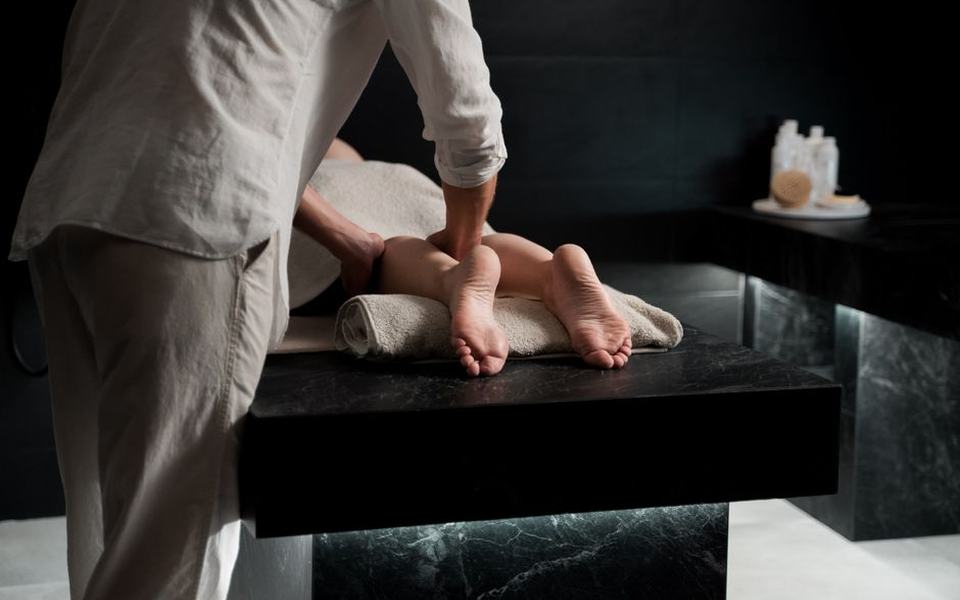
AMTA describes privacy for changing, appropriate draping and the client's ability to request adjustments or stop. Ask how the practitioner will announce their return to the room. If the covering shifts or you need help repositioning, say so and ask them to pause while your comfort and privacy are restored.
Speak during the session when something needs to change
Use direct requests such as lighter pressure, please pause, or I would like to skip that area. Give feedback when a change is needed instead of saving it until checkout. Earlier consent does not mean you must continue an experience you no longer want. If you wish to end the appointment, say that clearly and ask for space to dress.
You can also ask for a quieter room, less conversation, a different music volume or an explanation before a position change. Describe the practical problem rather than feeling you must justify the preference. Keep your phone silent if possible, and tell the practitioner in advance if you need to remain reachable for an essential call so you can agree how to handle an interruption.
Treat the appointment as a professional interaction
Respect the agreed service and the practitioner's professional boundaries. Ask questions through conversation and allow the practitioner to explain what is within the booked service. Avoid recording or taking photographs without an agreed policy and permission. If another person is accompanying you, ask the business beforehand about its visitor arrangements and how privacy will be maintained during the session.
If you arrive late, tell the business as soon as possible and ask how that affects the remaining appointment and price. Do not assume the session can run into the next client's time. If you need to cancel, use the stated process and retain its confirmation. Those practical courtesies make the schedule predictable while leaving room for clear, respectful discussion of your needs.
Check the bill and leave useful feedback
At checkout, ask whether a service charge or gratuity is already included and how the business handles tipping. Follow the location's policy rather than assuming there is one mandatory percentage everywhere. Check any additional service you agreed to against the receipt. A membership or another appointment is a separate purchasing decision; take time to read its terms if you are considering it.
Use the massage directory to find a business and its official contact details, then confirm the arrangements directly. For a future visit, a concise note about preferred pressure, conversation and areas to avoid is more useful than a vague rating alone. Raise a privacy or professional-conduct concern through the business's stated process or the relevant regulator where applicable.
Published 2026-11-12 · reviewed with each rebuild, last November 2026.
Find massage practices near you
The directory lists 61,758 massage practices by state and city — pick your state or use the “Near me” button in the header.
 Preparation
 Comparisons