Use the names as a starting point
Swedish and deep tissue are massage menu terms that help describe a session's approach. They do not tell you everything about an individual practitioner's pace, pressure or plan. When comparing them, start with the experience you want: flowing work across several agreed areas, a slower session focused on fewer areas, or simply an introductory conversation about available formats and your preferences.
Hand & Stone describes its Swedish-style Classic Massage with flowing strokes and its deep-tissue format with slow, firm pressure. This is a provider's explanation of its own services. Ask your chosen business how it uses the same names, because you are booking its actual service rather than a universal menu specification.
Compare pace and focus as well as pressure
A useful comparison asks where the session will focus and how the time will be divided. Will the practitioner work across several areas you agree on, or spend more time on a smaller area? Ask what happens if your preferences change after the consultation. Knowing the planned pace helps you decide whether the description matches the appointment you expected to purchase.
Massage Envy also describes deep tissue using slow, firm pressure. Use that description to ask a concrete question about the approach, not to assume the strongest possible pressure is required. A label cannot communicate your personal comfort threshold. Tell the practitioner how much pressure feels acceptable and ask how they check that throughout the session.
Agree on a way to give feedback
Before starting, agree on simple words for adjustments: lighter, maintain that pressure, pause or stop. If the practitioner uses a number scale, ask what its endpoints mean so you are using the same reference. You do not have to wait for a scheduled check-in to speak. Say when the experience becomes uncomfortable rather than trying to meet an expectation attached to the service name.
AMTA's session expectations include consent to techniques and pressure, adjustments and the ability to stop. Those expectations are relevant to either booking. Tell the practitioner about areas to avoid and ask them to explain a proposed change. Choosing a deep-tissue appointment does not remove the need for an ongoing conversation about your comfort.
Check what the advertised time includes
Compare total appointment time, time on the table and consultation or dressing time. Ask whether the same booking length is available for both formats and whether focusing on one area changes what else can fit. Two services with the same advertised duration may still require a conversation about priorities. Avoid requesting several separate goals without asking the practitioner how they would allocate the session.
Ask for the full price, any format surcharge and the cost of optional additions before accepting them. Check whether a displayed price is introductory, membership-based or available to all clients. Keep the cancellation terms with the booking. These questions make the comparison useful even when one business sells several formats at one price and another lists them as separate services.
Confirm the setting and practical arrangements
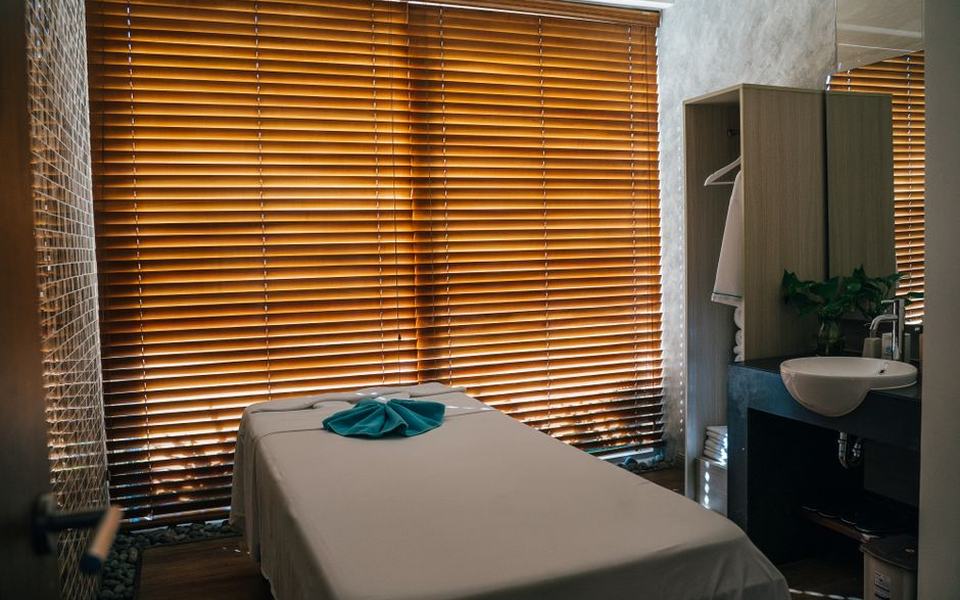
Ask whether the session uses a table, oils or lotions, what clothing options are available and how draping works. State if you want to remain clothed or need an access arrangement. Tell the business whether quiet, explanations before changes or a particular communication method would help. These details can affect your experience as much as the technique named in the booking menu.
If your question concerns a medical condition, injury or whether massage is suitable for you, take that question to an appropriately qualified professional. A comparison of advertised formats cannot establish individual suitability or predict an outcome. Ask the business what information its intake process needs and how to discuss private concerns before attending, while keeping the booking decision separate from any clinical assessment.
Choose using a clear description
Summarize the proposed booking in one sentence: the format, agreed focus, preferred starting pressure, duration and total price. Ask the practitioner whether that description matches what they provide. If you remain unsure about the difference, request an explanation of what they would actually do differently during the two appointments. That answer is more useful than a general promise attached to a service name.
Use the massage directory to identify businesses, then compare their official menus and answers. After a session, record which practical features you liked and which you would change. For a future booking, details such as slower pace or lighter pressure communicate a usable preference without assuming that one advertised format must suit everyone or deliver a particular result.
Published 2026-11-12 · reviewed with each rebuild, last November 2026.
Find massage practices near you
The directory lists 61,758 massage practices by state and city — pick your state or use the “Near me” button in the header.
 First visit
 Preparation